What Is Pile Driving?
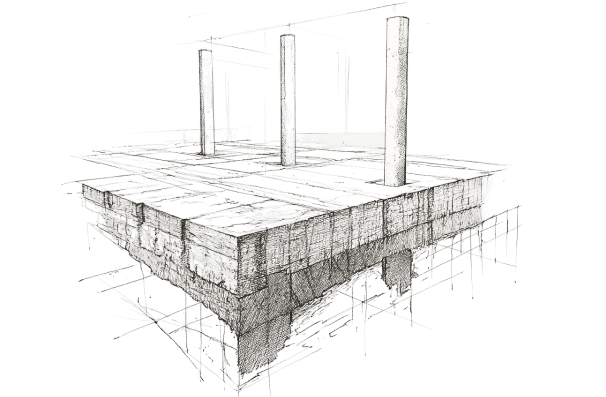
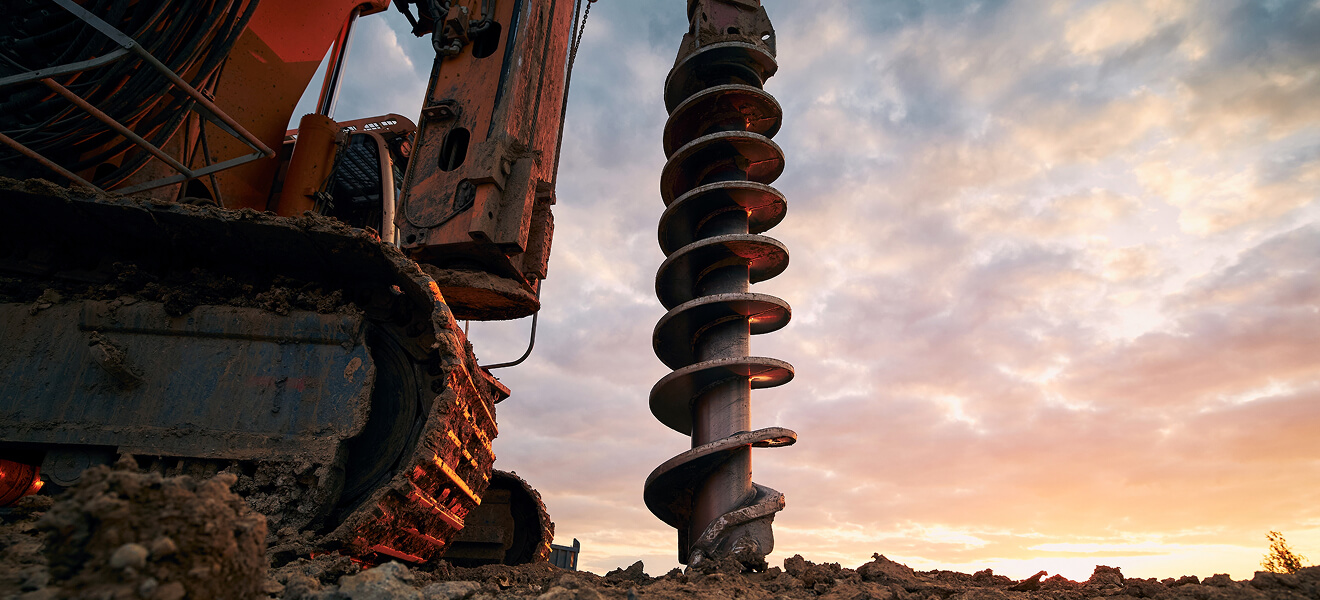
Pile driving is the process of driving long, sturdy foundation elements—called piles—deep into the ground until they reach stable soil or bedrock. Piles can be made of timber, steel, or concrete, and they transfer the load of a structure from unstable surface soils to stronger layers below.
By installing piles, builders can ensure that their structures are level, stable, and capable of withstanding natural forces like soil movement, erosion, or flooding.
When Is Pile Driving Important?
Pile driving becomes critical in construction under certain conditions, including:
1. Unstable or Sandy Soils
Coastal areas, riverbanks, and reclaimed land often have soft, loose soils that cannot support heavy structures. Piles drive down to stable layers, providing reliable support.
2. High Structural Loads
Large commercial buildings, bridges, and industrial facilities place significant weight on foundations. Shallow foundations may not be enough—steel or concrete piles ensure these structures remain safe and stable.
3. Coastal and Marine Construction
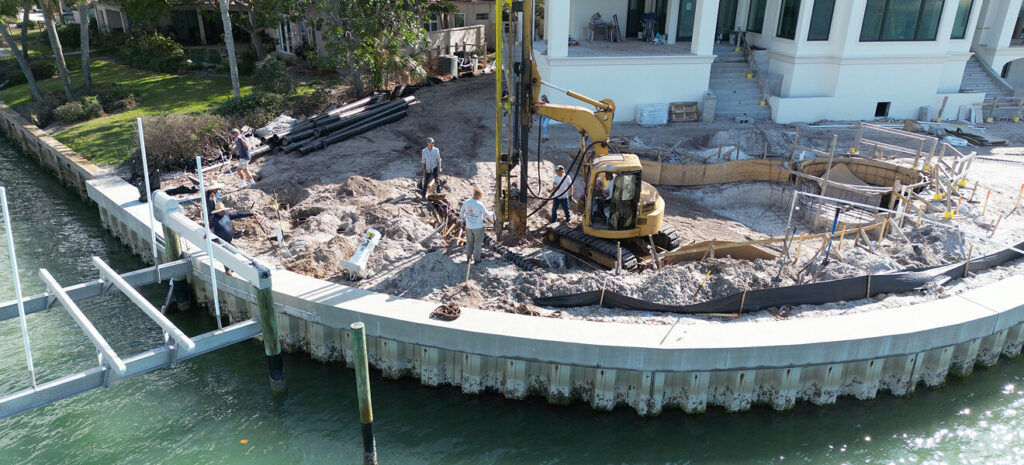
Projects near the ocean, bays, or rivers face additional challenges such as tides, saltwater, and erosion. Pile foundations are ideal for docks, piers, seawalls, and waterfront homes.
4. Areas With High Groundwater
When groundwater levels are high, shallow foundations may shift or settle over time. Piles extend below the water table to provide consistent support.
5. Renovations or Additions to Existing Structures
When adding to an existing building or renovating on unstable ground, piles can reinforce the foundation and prevent structural problems.
Types of Piles
There are several types of piles used in construction, each suited for different situations:
- Timber Piles: Affordable and environmentally friendly; ideal for residential homes and smaller marine structures.
- Steel Piles: Extremely strong and durable; perfect for high-load commercial and industrial projects.
- Concrete Piles: Reinforced or pre-stressed concrete piles provide long-lasting support in both residential and commercial applications.
Benefits of Pile Driving
- Ensures structural stability even in weak or shifting soils.
- Prevents settling, cracking, or tilting of buildings over time.
- Supports heavy loads for commercial and industrial construction.
- Enables construction in challenging locations, such as waterfronts or reclaimed land.
Pile driving is a critical component of modern construction whenever soil conditions are weak, loads are heavy, or environmental factors pose a risk to traditional foundations. By using piles, builders can ensure safety, stability, and longevity for residential, commercial, and marine projects.
At Bay Area Pile Driving, we assess each site to determine the most effective piling solution—whether that’s timber, steel, or concrete. Proper foundation planning today saves time, money, and structural problems tomorrow.
If you’re planning a construction project in Florida and want a solid foundation that lasts, contact us for a consultation and free estimate.