

In this article: Building near the water? You’re likely dealing with soft soil—like clay, silt, or loose sand. In Florida, that’s just part of the terrain. This post breaks down how pile driving helps you build stable, long-lasting foundations on land that doesn’t always cooperate.

Pile Driving in Soft Soil
Why Soft Soil Is a Problem for Foundations
Soft or loose soils are common across Florida’s coastline, wetlands, and low-lying areas—especially around Tampa Bay, Sarasota, and inland marshlands. These soils have low load-bearing capacity, meaning they shift and compress under weight, leading to:
- Foundation settlement
- Cracks in walls and flooring
- Uneven or tilted structures
- Long-term structural instability
Florida’s climate only makes things worse—seasonal flooding, heavy rains, and high water tables accelerate soil movement and erosion. For many builds, standard shallow foundations simply aren’t enough. You can read more about land pile driving here.
Pile Driving In Soft Soil
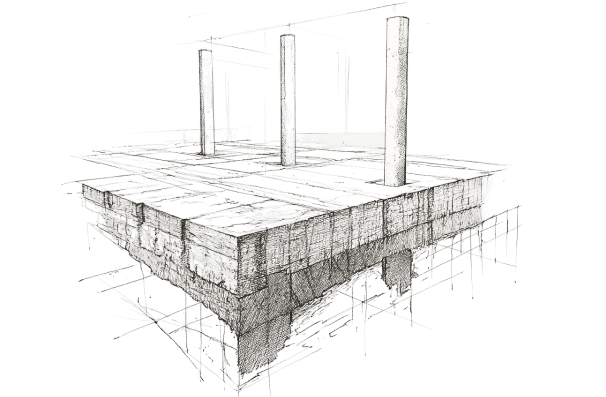
Pile driving is the process of installing long, load-bearing columns deep into the ground—well past the soft surface layers—until they reach firm, stable soil or rock.
Here’s how it helps in soft soil:
- Transfers weight to stronger, deeper layers
- Bypasses compressible upper strata
- Displaces and compacts surrounding soil for added stability
- Reduces long-term settlement risks—especially under uneven loads
At Bay Area Pile Driving, we choose between timber or steel piles based on your project’s needs, location, and budget—delivering a solution that’s both engineered and efficient.
Timber or Steel Piles for Soft Soil?
When building on soft soil, steel piles are generally recommended over timber due to their superior strength, durability, and ability to penetrate deeper into unstable ground. Steel piles can handle heavier loads and are more resistant to decay, especially in high-moisture environments like coastal Florida.
However, treated timber piles can still be a cost-effective solution for lighter structures or temporary applications, particularly if soil conditions are not excessively wet or acidic. At Bay Area Pile Driving, we assess each site individually and recommend the most reliable, long-lasting option for your specific project.
Signs You May Need Pile Support
Wondering if your project calls for pile-driven foundations? Here are common red flags:
- The property has a high water table or poor drainage
- Soil tests show low bearing strength
- The structure is large, tall, or has an unusual footprint
- You’re building near a coast, canal, marsh, or river
- An existing foundation shows cracking or sinking
Our team works directly with geotechnical engineers, builders, and property owners to determine the right foundation approach for each site.
Our Expertise in Florida’s Soft Soil Conditions
With over two decades of hands-on experience across the Tampa Bay area, we’ve seen just about every soil condition Florida has to offer. Our crew has delivered stable, code-compliant foundations for:
- Custom waterfront homes
- Seawalls, docks, and boardwalks
- Piers and marine structures
- Commercial and municipal buildings
- Foundation repairs and elevation projects
We bring the right equipment, skilled operators, and field-tested techniques to every job—ensuring that every pile is driven to refusal and ready to support your build.
Let’s Build on Solid Ground
Soft soil doesn’t mean shaky results—not when the right pile driving solution is in place. Whether you’re starting fresh or reinforcing an existing foundation, Bay Area Pile Driving has the expertise to keep your project rock-solid from the ground up.
We work closely with homeowners, contractors, and developers across the Tampa Bay area—bringing decades of field experience and a commitment to precision on every job.
Call us today at (813) 672-4554 or fill out our contact form here to schedule a free consultation.
Where We Work
Bay Area Pile Driving proudly serves the West Coast of Florida.